.webp)


Georgia clay soil needs a thoughtful construction plan
Many Georgia homeowners are familiar with red clay. It can be dense, sticky when wet, hard when dry, and slow to drain. For pool construction, those characteristics matter. Clay soil does not mean you cannot build a great pool. It means the builder needs to plan excavation, drainage, structure, and decking with local conditions in mind.
A pool is not just a hole in the ground with water in it. It is a structural system surrounded by soil, plumbing, equipment, decking, and changing moisture conditions. When clay expands, contracts, or holds water against hardscape, it can create pressure and movement. The goal is to manage those conditions from the start.
Site evaluation should come first
Before construction begins, the builder should evaluate grade, access, drainage patterns, soil behavior, and where water currently moves during storms. Low spots, downspouts, compacted areas, and slopes all affect the construction plan. If the yard already holds water after rain, that issue should be addressed before the pool and deck are installed.
Georgia properties can also have buried utilities, tree roots, rock pockets, septic considerations, or easements that shape the final layout. A careful site review helps avoid surprises and supports a cleaner build. It also helps determine whether retaining walls, drainage systems, or grade changes are needed around the pool area.
Excavation in clay soil
Clay can make excavation slower or more weather-dependent. After heavy rain, clay may become too wet to work efficiently. During dry stretches, it can become very hard. A good builder will schedule excavation with conditions in mind and take steps to protect the site during the work.
Excavated material also needs a plan. Some soil may be hauled away, while some may be used for grading if appropriate. Poorly placed fill can settle later, especially around decks and patios. Compaction and base preparation are important for any hardscape that surrounds the pool.
Drainage is not optional
Drainage is one of the most important parts of pool construction on clay-heavy properties. Water should move away from the pool shell, decking, house, and equipment pad. That may require grading, drains, gravel, swales, or other drainage solutions depending on the site.
Homeowners often focus on tile, finish color, or pool shape first. Those details matter, but water management has a bigger impact on long-term performance. A beautiful pool area that traps runoff can lead to muddy edges, deck movement, landscape washout, or water collecting where it should not.
Decking and hardscape considerations
The pool deck needs a stable base and proper slope. Concrete, pavers, stone, and other materials each have different installation requirements, but all of them need support below the surface. Clay soil can hold moisture and shift with weather, so base preparation and drainage should be matched to the material.
Expansion joints, control joints, edge details, and connections to existing patios also deserve attention. If the pool deck meets an older patio or a new outdoor kitchen, the transitions should be planned before construction. This helps the finished space look intentional and perform better.
Structural planning for long-term confidence
Gunite pools are popular for custom Georgia backyards because they can be engineered and formed on site. The steel framework, shell thickness, plumbing layout, and surrounding support all contribute to the final structure. In challenging soil or sloped yards, engineering details become especially important.
Homeowners should ask how the builder handles drainage, compaction, retaining needs, and equipment placement. These questions are practical, not technical overkill. They help confirm that the project is being planned for the property you actually have.
A better build starts with local experience
Pool construction in Georgia benefits from experience with clay soil, summer storms, humid weather, and local permitting. The right builder will not treat every yard the same. They will explain risks, recommend solutions, and design the pool area so it works with the land rather than fighting it.
If your backyard has clay soil, slope, or drainage concerns, address them early. A strong plan can protect the pool, improve the finished outdoor living space, and reduce avoidable problems after construction is complete.
Other Blogs
Discover our extensive range of articles on pool construction and related topics
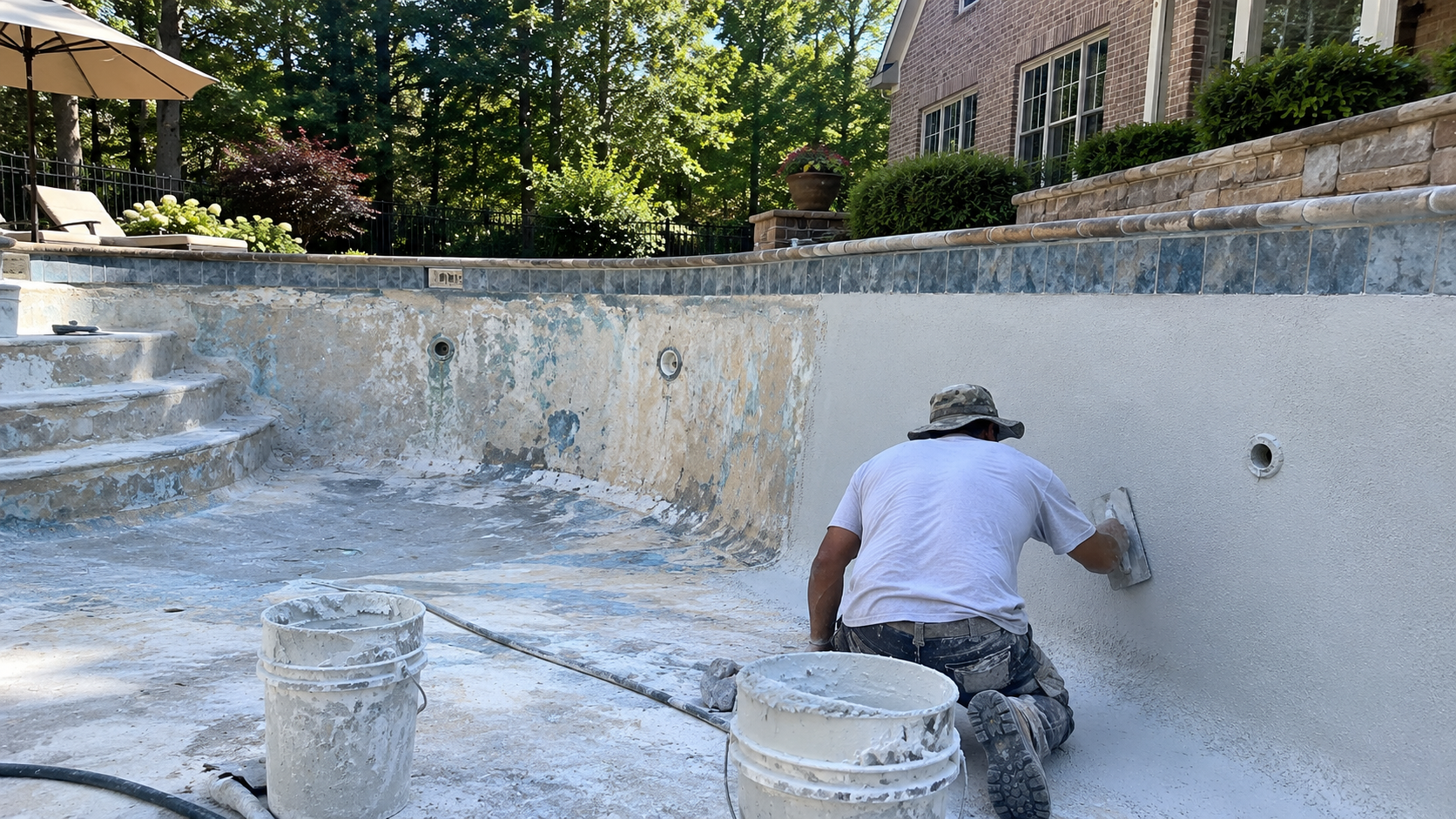
Pool Resurfacing & Replastering in Alpharetta, GA: Signs, Options, and What to Expect

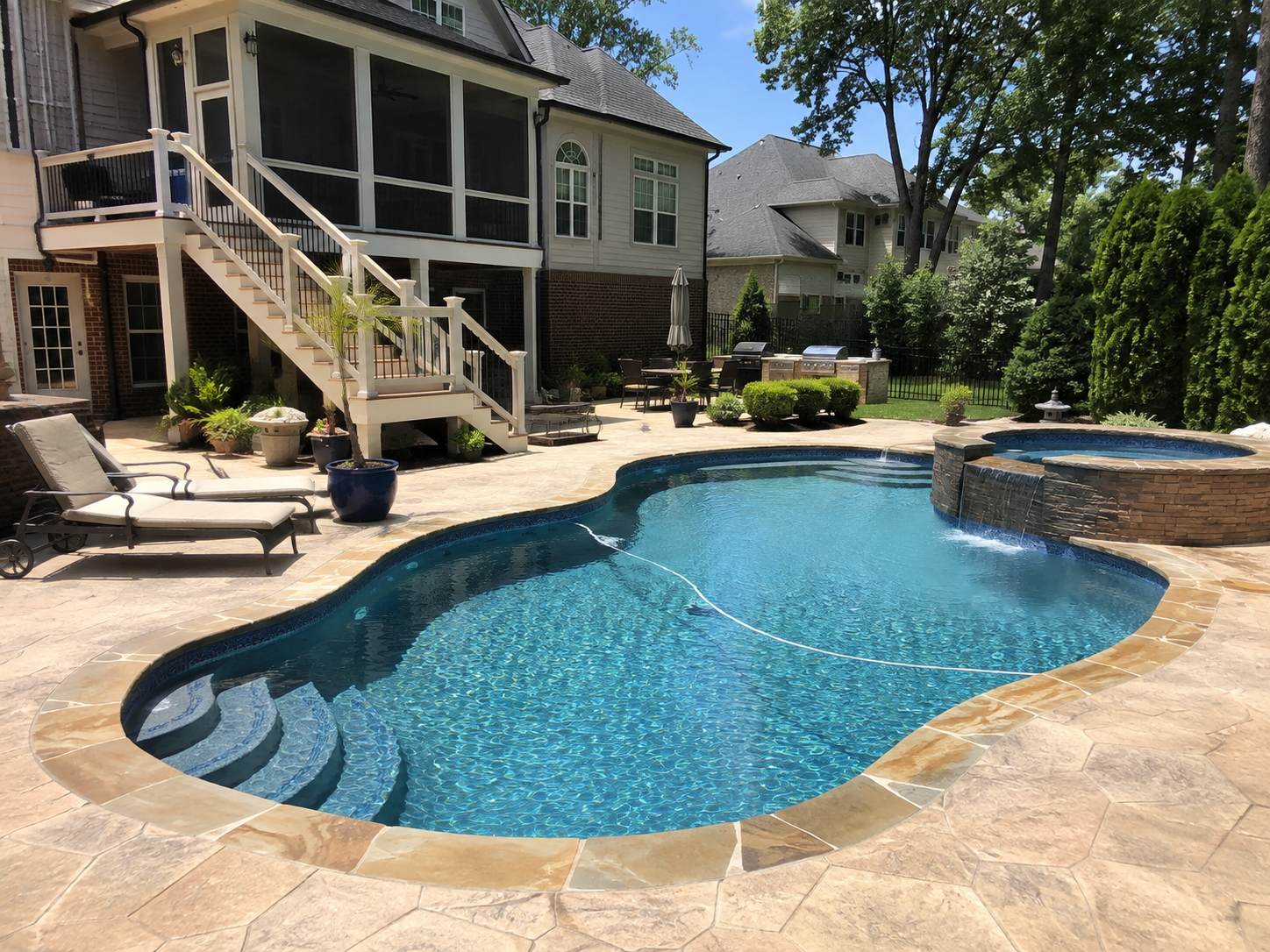
Pool Renovation in Marietta, GA: What Homeowners Should Know Before They Start
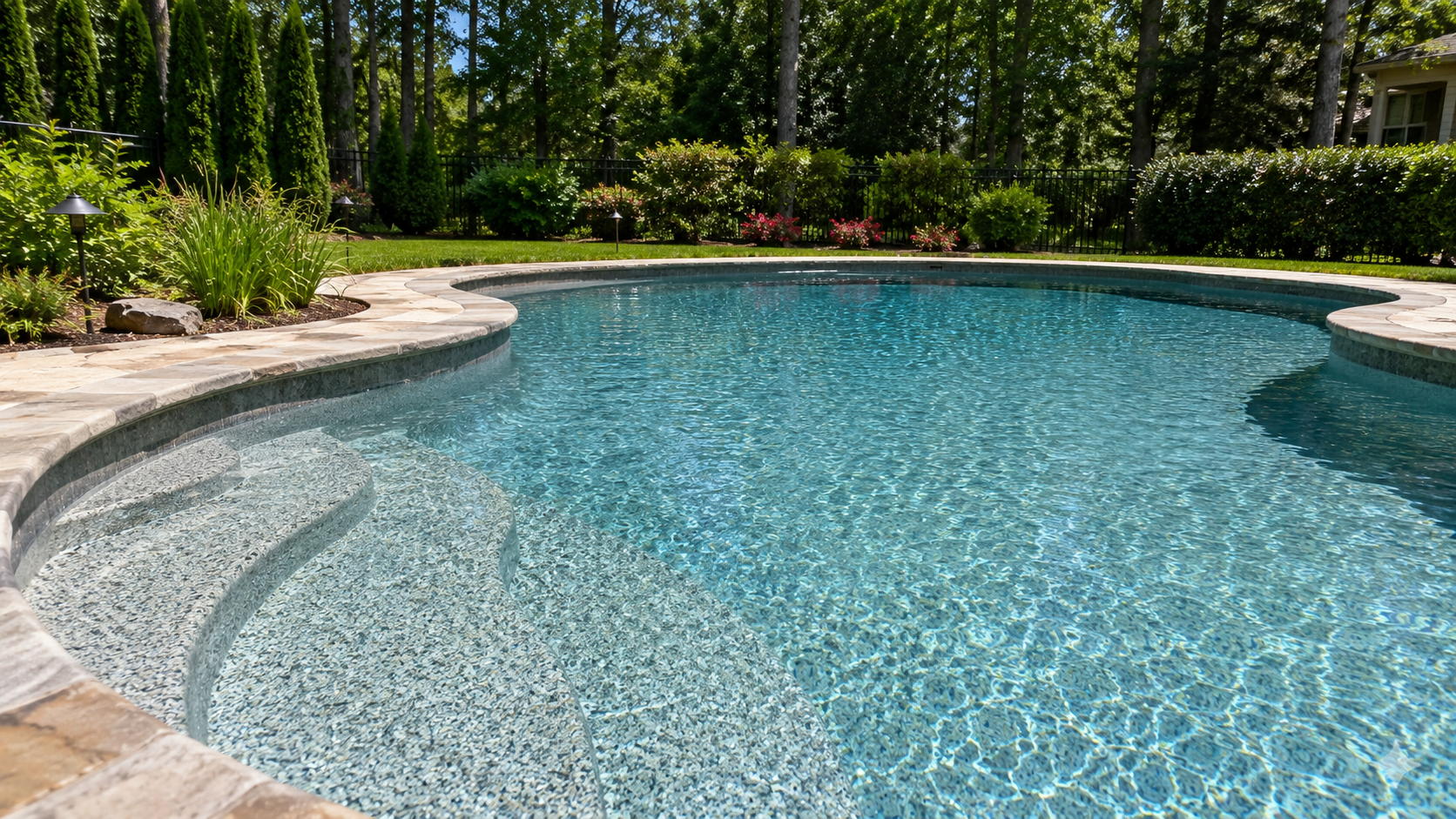
Pool Finish Comparison: Plaster vs Pebble vs Quartz
Tell us about
your project.
We'd love to hear from you! Reach out with any questions or to discuss your project needs.