.webp)


Choosing the right pool structure for Georgia soil and weather
Homeowners planning a new pool in Georgia usually compare two popular options first: gunite and fiberglass. Both can create a beautiful, durable backyard pool, but they behave differently during design, installation, maintenance, and long-term ownership. The best choice depends on the shape of your yard, the look you want, your timeline, and how much flexibility you need.
Georgia backyards vary widely. Some properties have open, level lawns. Others have slopes, clay-heavy soil, tight side access, wooded lots, or existing patios that need to be protected during construction. A pool builder should evaluate those conditions before recommending a structure, because the right pool is not only about the shell. It is about how the shell works with excavation, drainage, decking, equipment placement, and the way your family will actually use the space.
Why many Georgia homeowners choose gunite
Gunite pools are built on site using a reinforced steel framework and a sprayed concrete shell. This makes gunite a strong fit when the goal is a custom pool. If you want a tanning ledge, attached spa, beach entry, deep-end layout, raised wall, water feature, or a pool shape designed around an outdoor kitchen or retaining wall, gunite gives the builder more control.
That flexibility matters on complex Georgia lots. A custom gunite pool can be planned around setbacks, grade changes, trees, and existing hardscape. The finish can also be selected to match the rest of the outdoor living area, from classic plaster to upgraded pebble-style surfaces. For homeowners who want the pool to feel integrated into the property instead of dropped into it, gunite is often the stronger design path.
Where fiberglass can make sense
Fiberglass pools are manufactured as one-piece shells and delivered to the site. The biggest advantage is speed. Once excavation and base preparation are complete, the shell can be set quickly. Fiberglass surfaces are also smooth, which many homeowners like for comfort and simplified routine cleaning.
The tradeoff is that fiberglass pools come in pre-made shapes and sizes. That can be perfect for a straightforward backyard with good access and a homeowner who likes one of the available models. It can be limiting when the yard requires a custom layout or when the design calls for unique dimensions, integrated steps, an oversized tanning ledge, or a highly specific outdoor living plan.
Construction timeline and planning expectations
A fiberglass pool may have a shorter installation window once the site is ready, but the full timeline still depends on permits, access, weather, utility routing, decking, fencing, and inspections. Gunite takes longer because the shell is formed, sprayed, cured, finished, and then integrated with surrounding hardscape. The extra time can be worthwhile when the result is a pool tailored to the property.
In Georgia, weather and drainage planning should be part of the schedule discussion. Heavy rain can affect excavation and deck preparation. Clay soils can hold water and require thoughtful grading. A good construction plan accounts for these realities before the first dig, not after the yard is open.
Maintenance and long-term ownership
Both pool types need consistent water chemistry, filtration, cleaning, and seasonal care. Fiberglass surfaces are generally less porous, which can reduce some surface maintenance. Gunite pools may require more attention to brushing and finish care, especially early in the life of the pool. However, gunite also offers more renovation flexibility over the years. A gunite pool can be resurfaced, retiled, updated with new coping, or remodeled as the outdoor space evolves.
For many homeowners, the decision comes down to whether they value a faster, pre-designed shell or a custom, site-built pool that can be shaped around a larger backyard vision. The lowest-friction choice is not always the best long-term choice, especially if the yard has unique conditions or the pool is part of a full outdoor living project.
How to make the right decision
Start with a site consultation. Measure access routes, review grade, discuss drainage, confirm where equipment can sit, and think through how the pool connects to the house. Then compare structures based on your real site, not a generic brochure. In Georgia, a well-planned pool should handle local soil, summer use, storms, and the way your family gathers outside.
If your priority is a fully custom design with integrated features, gunite is usually the better fit. If your yard is simple, access is strong, and you like an available shell, fiberglass may be worth considering. The right pool builder will explain both options clearly and help you choose the one that supports your budget, timeline, and long-term backyard plans.
Other Blogs
Discover our extensive range of articles on pool construction and related topics
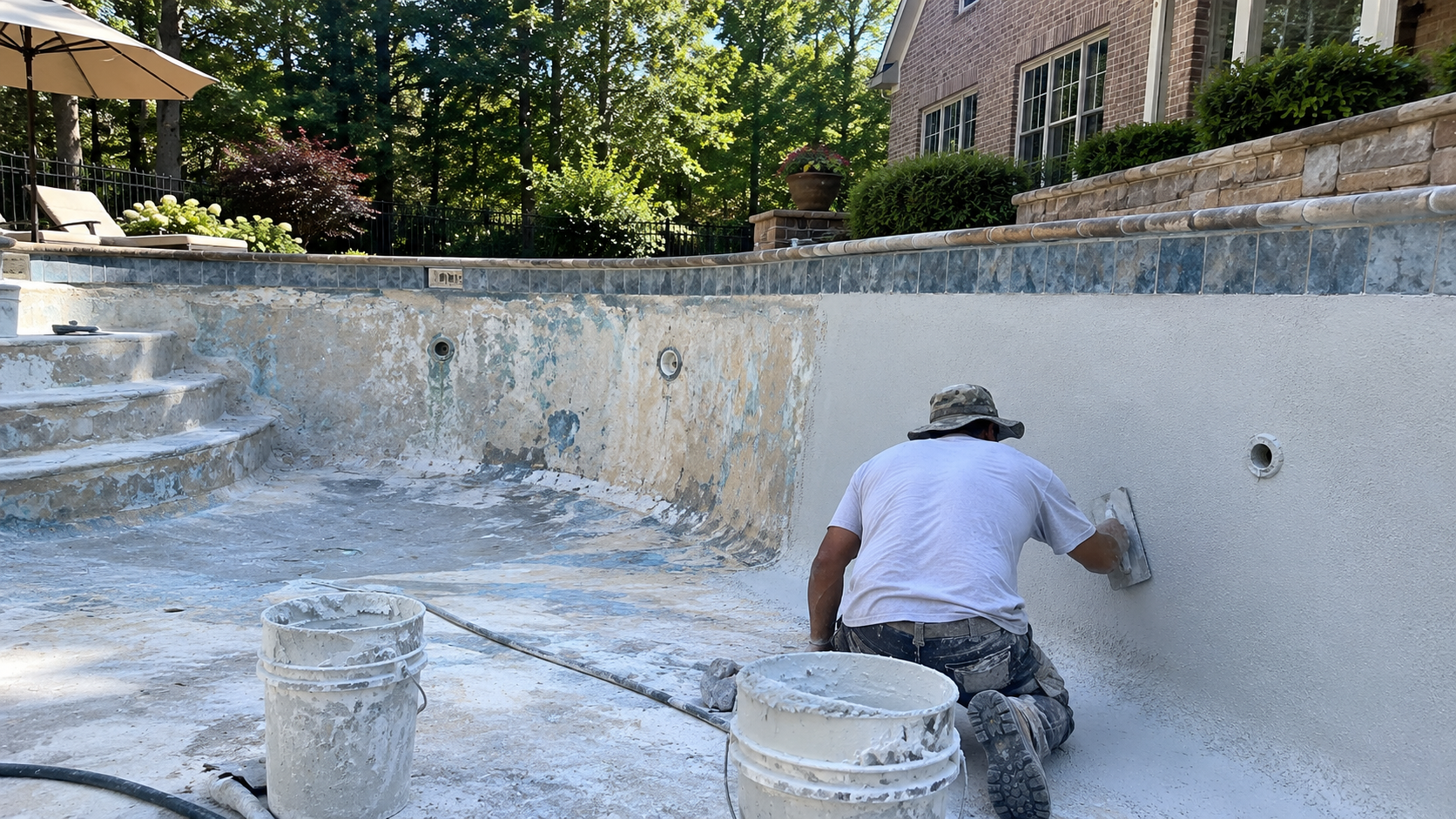
Pool Resurfacing & Replastering in Alpharetta, GA: Signs, Options, and What to Expect

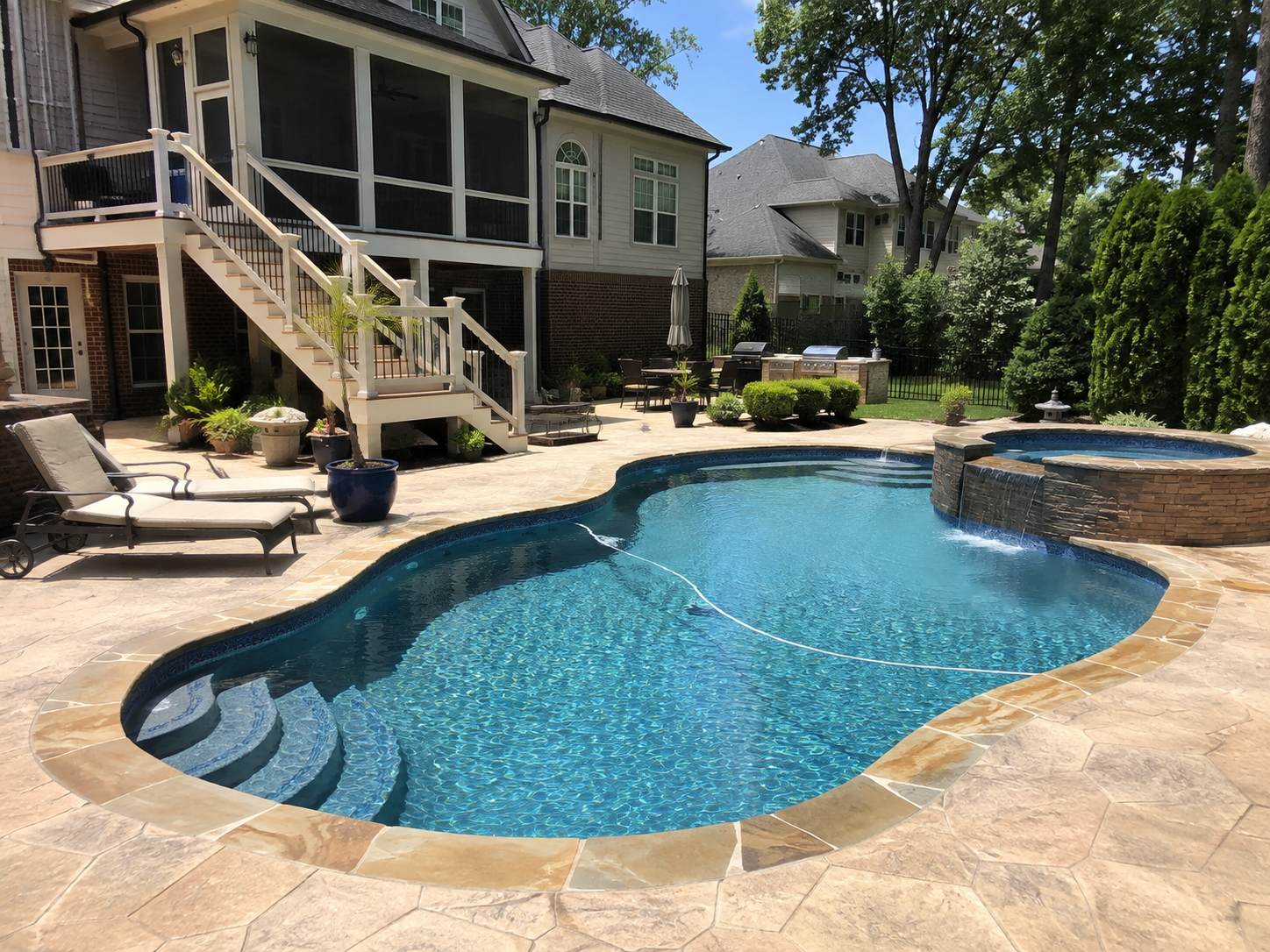
Pool Renovation in Marietta, GA: What Homeowners Should Know Before They Start
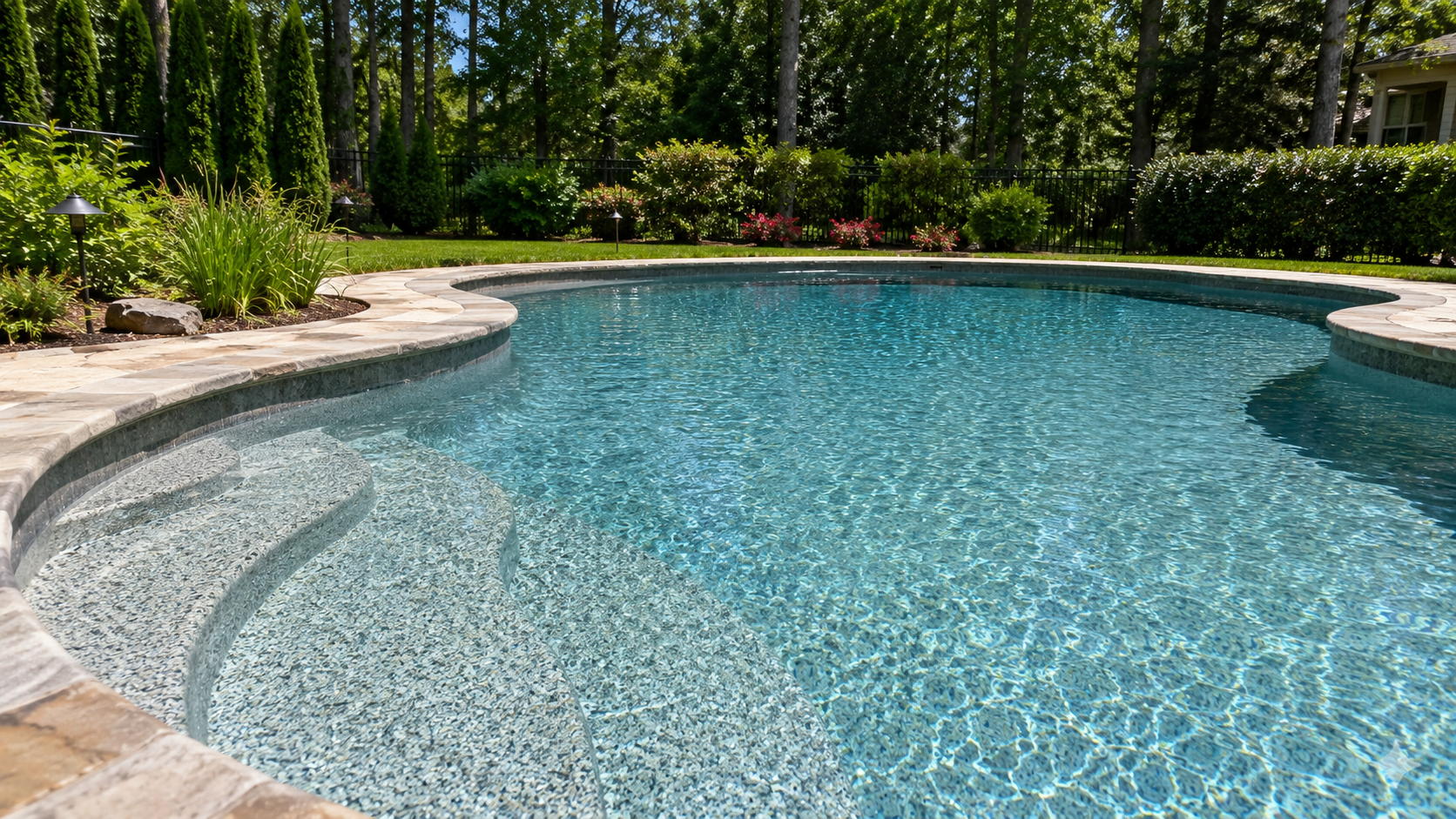
Pool Finish Comparison: Plaster vs Pebble vs Quartz
Tell us about
your project.
We'd love to hear from you! Reach out with any questions or to discuss your project needs.