.webp)


A realistic timeline starts before excavation
One of the first questions homeowners ask is how long pool construction will take. The honest answer is that the visible work in the yard is only one part of the schedule. A successful pool project in Georgia begins with design, site planning, permitting, material selections, and coordination with the crews that will handle excavation, plumbing, electrical, steel, gunite, decking, finish, and startup.
For many custom pools, the full process can take several weeks to a few months depending on scope, weather, inspections, and site conditions. A simple pool on an open, level lot can move faster than a complex build with retaining walls, outdoor living features, extensive decking, or limited access. The best timeline is built around your actual property instead of a generic promise.
Design and proposal phase
The first stage is deciding what the pool needs to do. Is it mainly for kids and family swimming? Do you want a tanning ledge, spa, deep end, sport pool layout, fire feature, or outdoor kitchen nearby? The builder should also evaluate sun exposure, drainage, equipment location, setbacks, easements, utilities, and access for machinery.
This phase often includes measurements, concept planning, scope definition, and budget alignment. It is worth taking the time to get the layout right. Changes are much easier on paper than after excavation. Homeowners should expect to make decisions about shape, size, depth, tile, coping, deck material, interior finish, lighting, automation, and water features during this part of the process.
Permitting and pre-construction
Permitting timelines vary by municipality and county. Some Georgia jurisdictions move quickly, while others require more review. HOA approvals can add time if your neighborhood has design rules or fencing requirements. During this stage, the builder may also coordinate utility marking, engineering needs, access planning, and ordering long-lead materials.
Good pre-construction work reduces surprises later. If the property has slope, poor drainage, clay soil, or tight access, those details should be addressed before equipment arrives. A clear plan for spoils, staging, driveway protection, and construction access helps the project run more smoothly.
Excavation, steel, plumbing, and gunite
Once permits and scheduling are in place, excavation begins. The pool shape is dug, elevations are checked, and the site is prepared for the structural work. After excavation, crews install reinforcing steel and rough plumbing. This phase creates the skeleton and circulation pathways of the pool.
For gunite pools, the shell is then sprayed into place. Gunite application is a major milestone because the pool begins to look permanent. After that, the shell needs time for curing. Homeowners should follow builder instructions during this period, which may include watering the shell to support proper curing.
Tile, coping, decking, and equipment
After the shell stage, the project shifts toward the finished outdoor environment. Tile and coping define the pool edge. Decking connects the pool to the house, yard, and entertaining areas. Equipment installation brings pumps, filters, heaters, lights, automation, and sanitation systems together.
This is also where coordination matters. A pool that looks great but drains poorly can create problems during heavy Georgia rain. Deck pitch, channel drains, downspouts, and grading should be reviewed carefully. The goal is a backyard that works during daily use and during storms.
Interior finish, fill, and startup
The interior finish is usually one of the final construction steps. After plaster or another interior finish is applied, the pool is filled and startup begins. Startup includes equipment checks, initial water balancing, brushing instructions, and guidance on early finish care. The first few weeks are important for water chemistry and surface care.
Homeowners should expect a learning period. Even with automation, a pool needs consistent attention. Your builder should explain how to operate the equipment, clean baskets, monitor chemistry, and understand basic service needs.
What can affect the schedule?
Weather is a major factor in Georgia. Heavy rain can delay excavation, decking, and finish work. Inspection schedules, material availability, change orders, and site access can also affect timing. The strongest projects have a clear scope, responsive decision-making, and practical expectations from the start.
Instead of focusing only on the fastest possible build, focus on a well-sequenced build. A pool is a permanent part of your property. The timeline should protect quality, drainage, structure, and the finished look of the backyard.
Other Blogs
Discover our extensive range of articles on pool construction and related topics
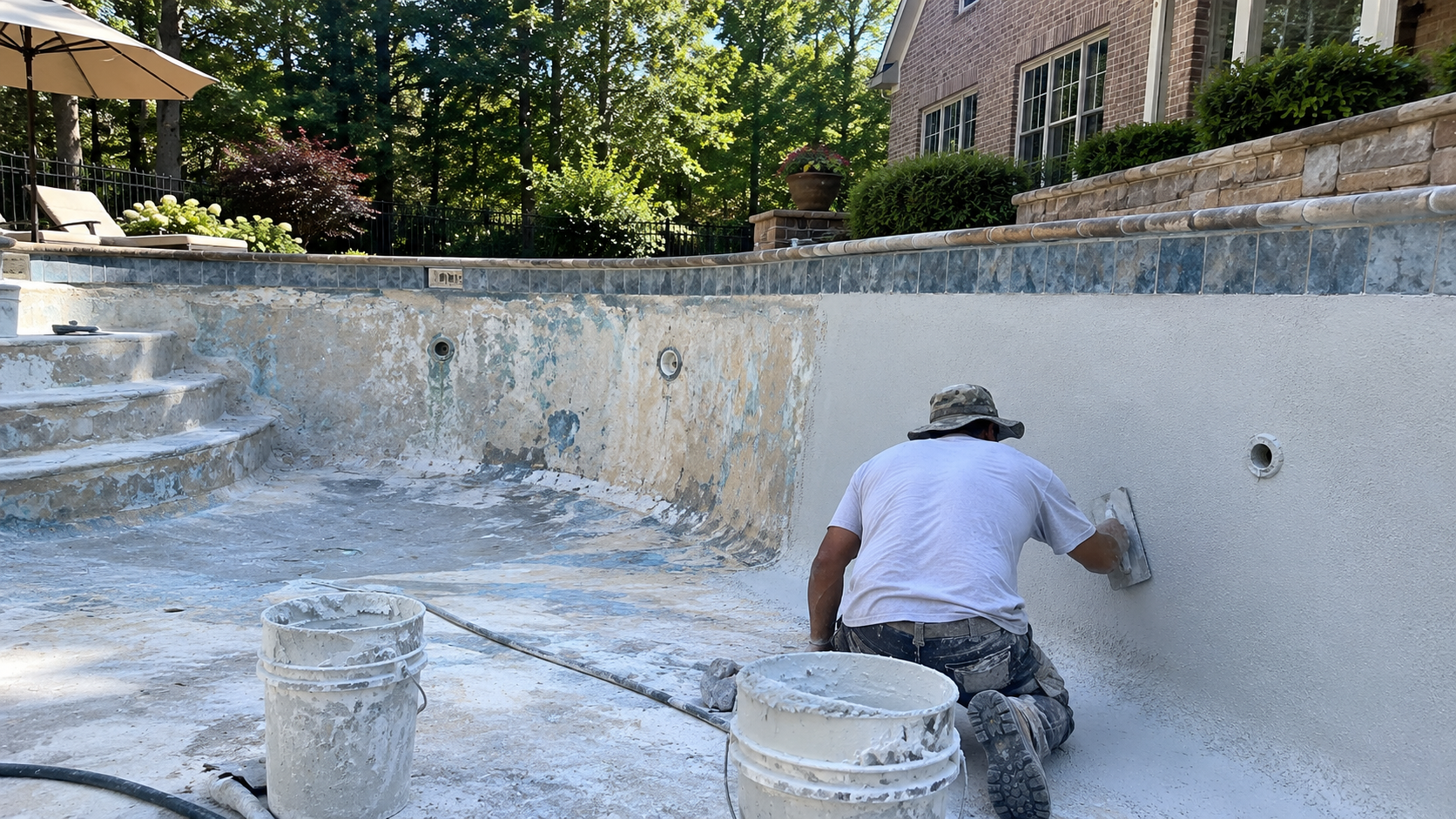
Pool Resurfacing & Replastering in Alpharetta, GA: Signs, Options, and What to Expect

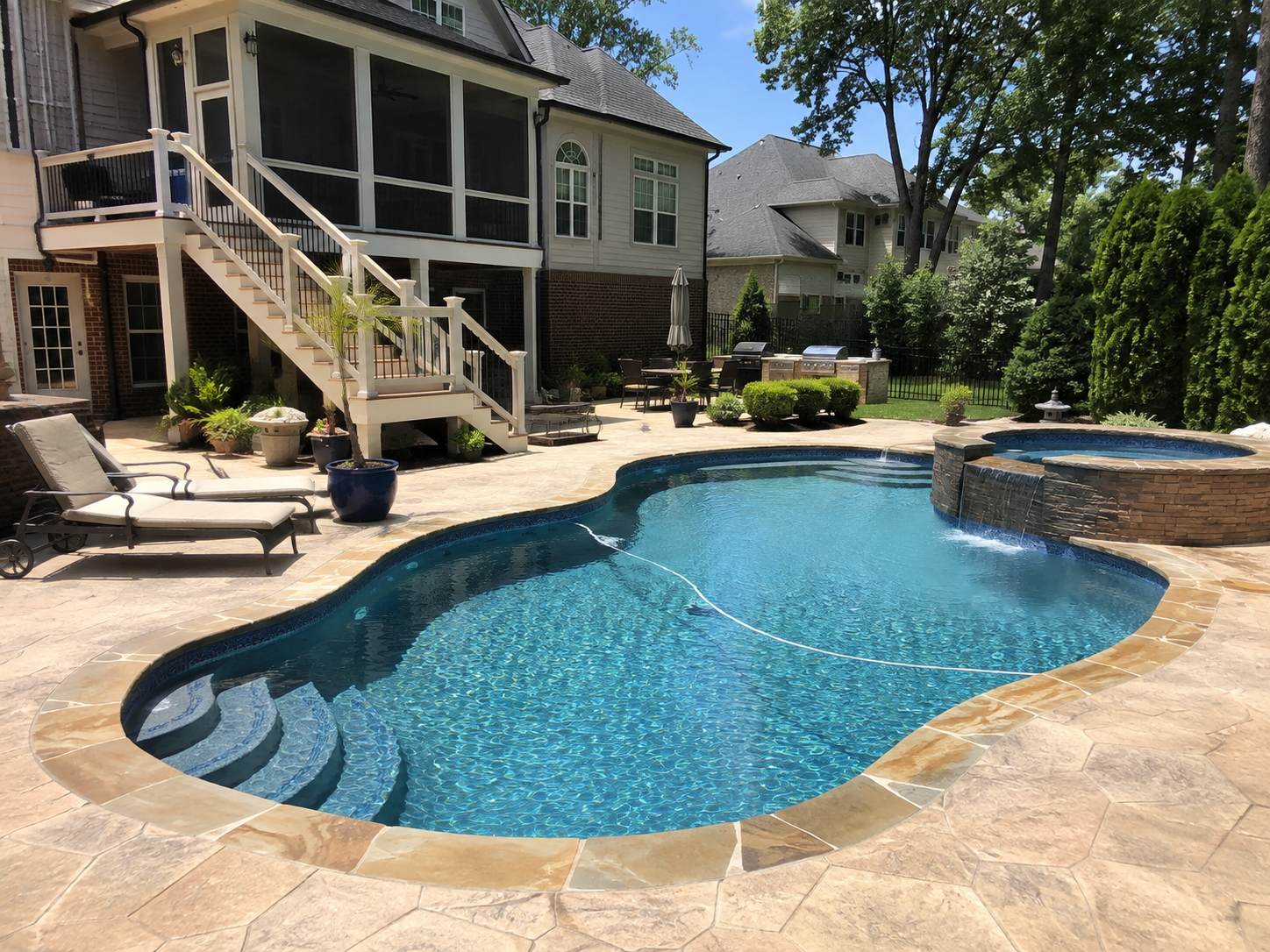
Pool Renovation in Marietta, GA: What Homeowners Should Know Before They Start
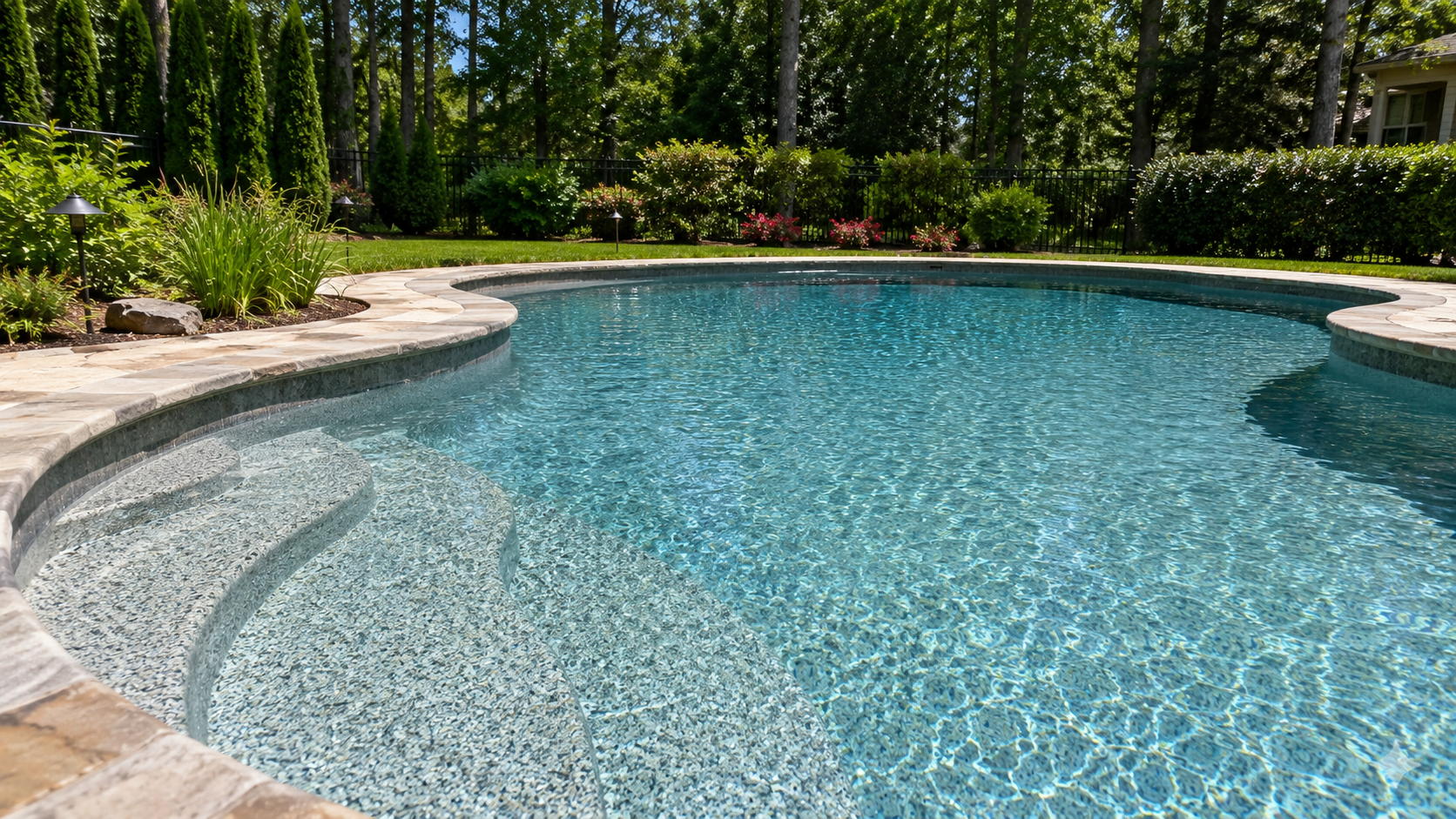
Pool Finish Comparison: Plaster vs Pebble vs Quartz
Tell us about
your project.
We'd love to hear from you! Reach out with any questions or to discuss your project needs.