.webp)


Design the pool around daily life
The best pool design is not only the one that looks impressive in photos. It is the one that fits how your family spends time outside. In Georgia, that often means planning for hot summers, weekend gatherings, kids in and out of the water, shaded seating, grilling, and a smooth connection between the house and the backyard.
Before choosing a shape or finish, think about the pool’s job. Is it for exercise, relaxing, entertaining, kids, grandkids, or all of the above? A pool that supports real daily use will feel better than one designed around trends alone. The details below can help homeowners plan a pool that looks good and works hard.
Tanning ledges and shallow lounging areas
Tanning ledges are popular because they create a flexible shallow zone. They can hold lounge chairs, give young children a place to splash under supervision, and create a resort-style entry point. In Georgia heat, a shallow ledge also gives adults a place to cool off without fully swimming.
The size and depth of the ledge should be planned carefully. Too small and it becomes decorative. Too large and it can reduce swimming space. If you want ledge chairs, umbrella sleeves, bubblers, or nearby steps, those decisions should be made during design so plumbing and structure are coordinated correctly.
Sport pool layouts for games and family use
Many families prefer a sport pool with usable depth across most of the pool instead of a traditional deep end. This layout can be better for volleyball, basketball, casual swimming, and standing comfortably in the water. It is especially useful when the pool is meant for groups rather than diving.
If diving is important, the pool must be designed with proper depth, length, slope, and safety considerations. If diving is not a priority, a sport-style layout may give the family more usable area day to day. The right choice depends on how people will actually use the pool.
Attached spas and year-round comfort
An attached spa can extend the usefulness of the backyard beyond peak summer. Cool evenings, fall weekends, and early spring gatherings become more appealing when there is a heated spa near the pool. A raised spa can also become a strong visual feature, especially with spillways, stone, or tile accents.
Spas add cost and equipment considerations, so they should be planned as part of the full system. Heating, automation, plumbing, seating depth, jet placement, and access from the house all affect the experience. For many Georgia homeowners, the spa is one of the most-used features after the first summer ends.
Shade, seating, and outdoor living connections
Georgia sun can be intense. A pool design should include a plan for shade, whether that means umbrellas, a covered patio, pergola, pavilion, or strategic landscape placement. Shade is especially important near shallow ledges, dining areas, and places where adults supervise children.
Seating should be planned like a room. Leave enough deck space for lounge chairs, walking paths, dining, and access to the equipment side of the yard. If an outdoor kitchen or fire feature is part of the project, the pool should connect naturally without crowding circulation.
Lighting and evening use
Pool lighting improves both safety and atmosphere. LED pool lights, step lighting, landscape lighting, and path lighting can make the backyard usable after sunset. In summer, evening swimming is often more comfortable than midday swimming, so lighting should not be an afterthought.
Consider what the pool will look like from inside the house at night. A well-lit pool can become a focal point from the kitchen, living room, or covered porch. Good lighting design balances visibility with comfort so the yard feels inviting instead of overly bright.
Design details that improve long-term value
Materials matter. Coping, tile, decking, plaster finish, waterline details, and raised walls should work together. A restrained, coordinated palette usually ages better than a design that uses too many competing finishes. The pool should also match the home’s architecture and the surrounding landscape.
Practical decisions also affect value. Equipment access, drainage, storage, fencing, and service paths are not glamorous, but they make ownership easier. The strongest pool designs combine beauty with maintenance access and smart site planning.
Start with the yard, then shape the pool
A great Georgia family pool starts with the property. Sun, slope, clay soil, trees, views, privacy, and traffic flow should guide the design. Once those conditions are clear, the builder can recommend features that fit the site and the budget.
Whether your priority is a simple swimming pool, a custom gunite pool with a spa, or a complete outdoor living space, the same principle applies: design for the way the backyard will be used. That approach creates a pool that feels natural from the first swim and continues to serve the family for years.
Other Blogs
Discover our extensive range of articles on pool construction and related topics
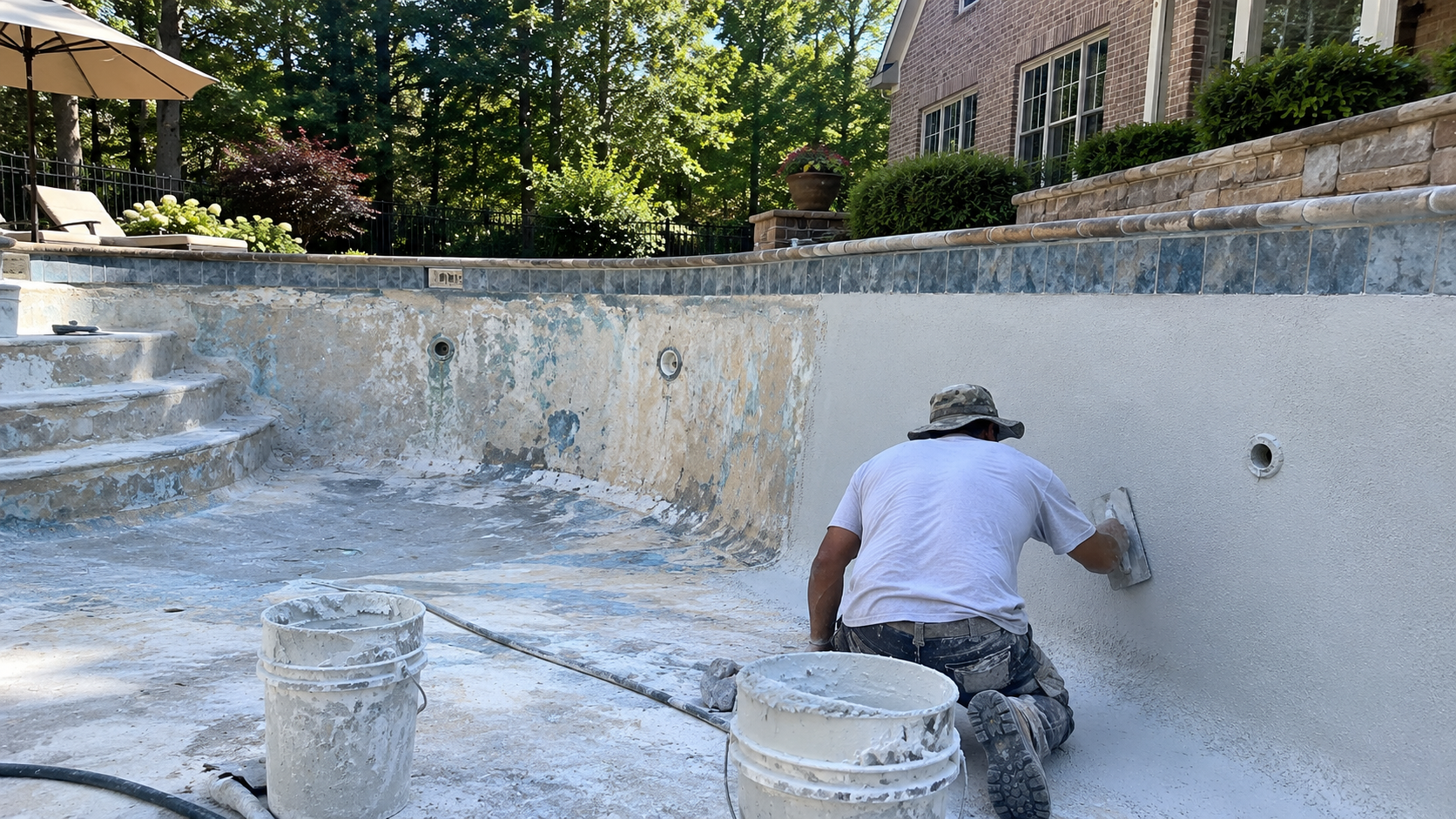
Pool Resurfacing & Replastering in Alpharetta, GA: Signs, Options, and What to Expect

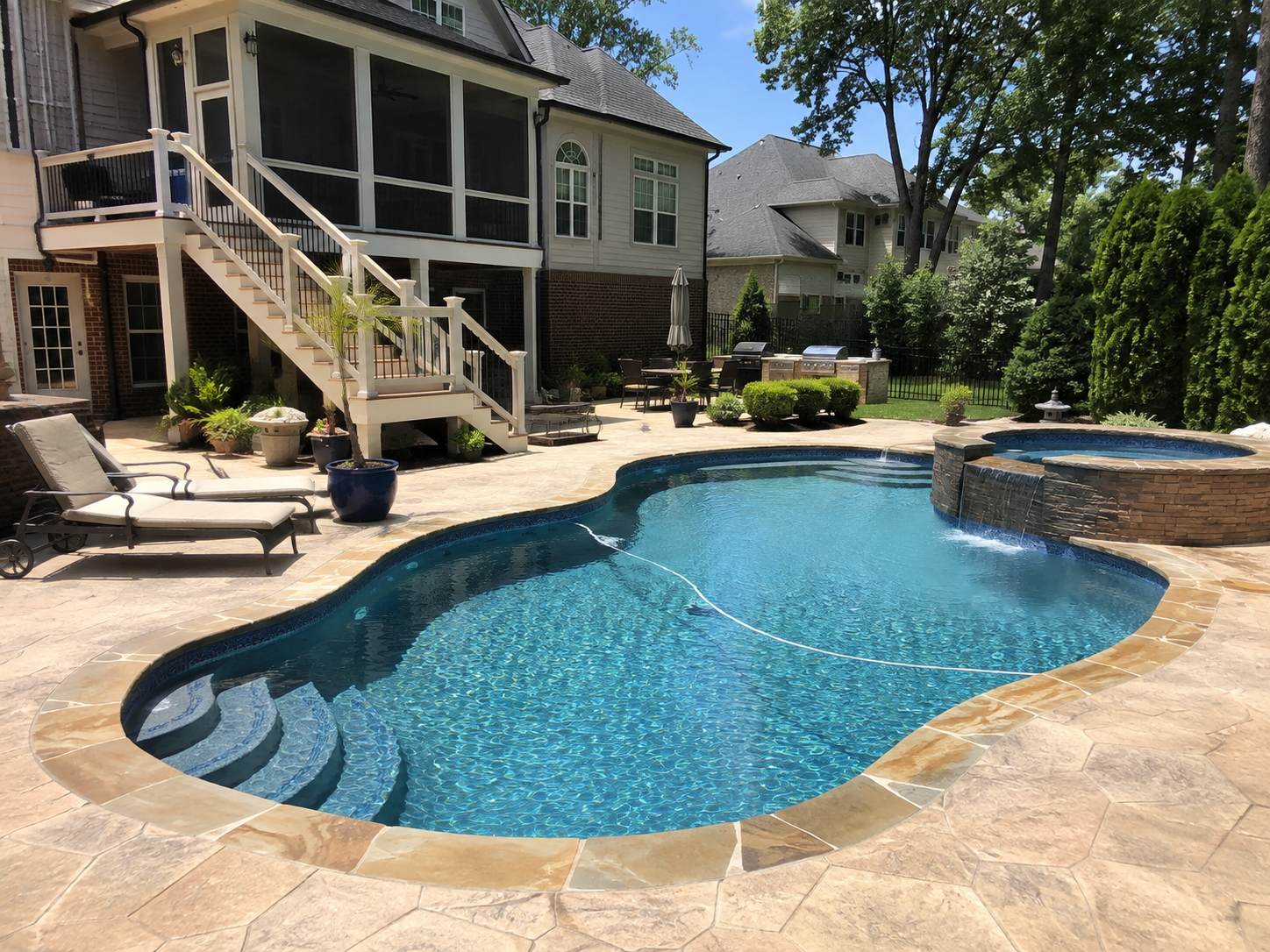
Pool Renovation in Marietta, GA: What Homeowners Should Know Before They Start
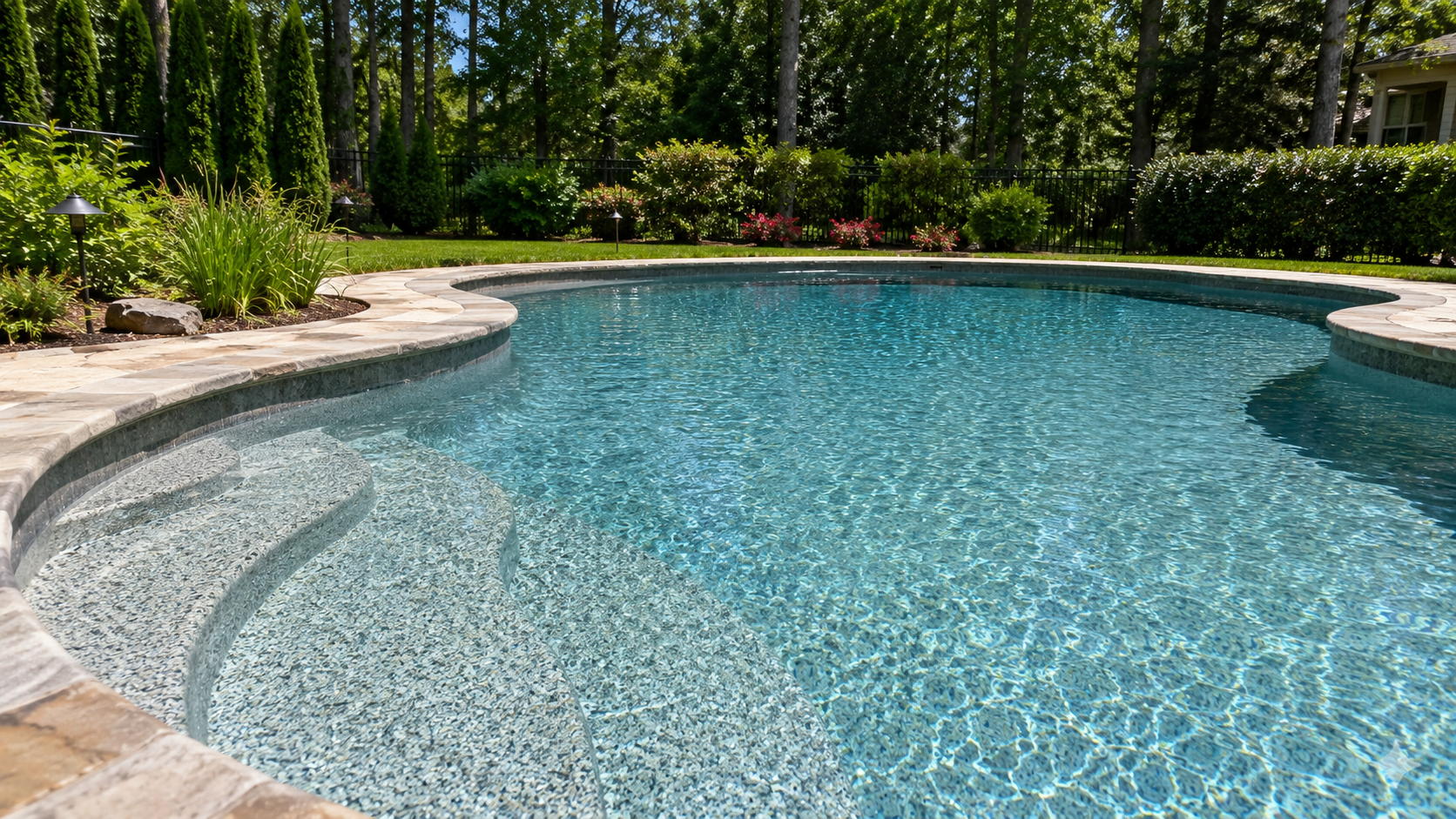
Pool Finish Comparison: Plaster vs Pebble vs Quartz
Tell us about
your project.
We'd love to hear from you! Reach out with any questions or to discuss your project needs.