Pool Equipment Replacement in Atlanta: Pumps, Filters, and Heaters During a Renovation

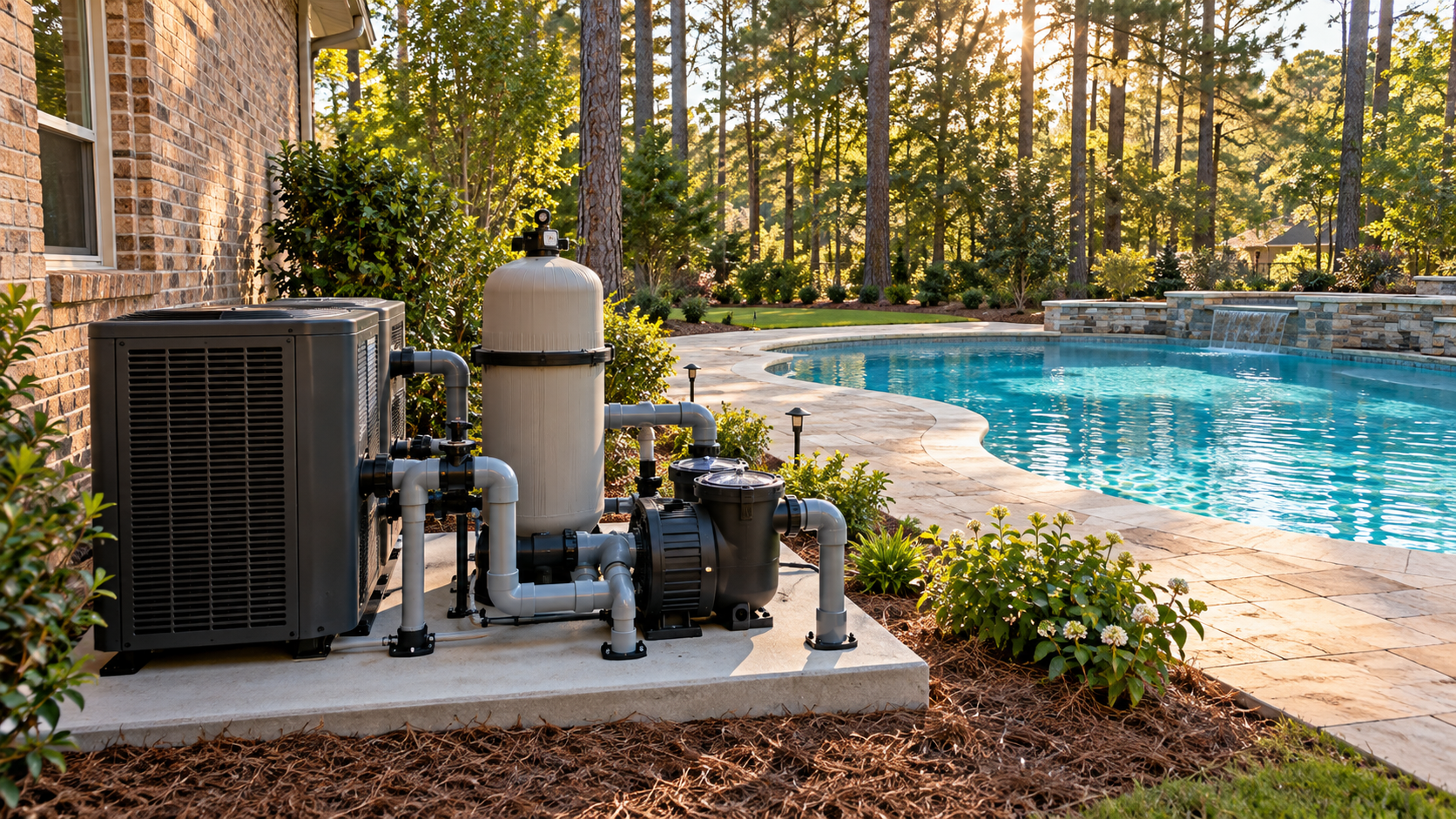
Your new plaster will only look as good as the water moving across it. That is why pool equipment replacement in Atlanta belongs on every renovation plan, not on a someday list. A fresh pebble finish paired with a tired pump is like new tires on a car with a failing engine.
At All In One Pool Construction, our Suwanee crews have spent twenty years renovating pools across Metro Atlanta. We see the same pattern often. Homeowners budget carefully for tile, coping, and resurfacing, then try to stretch an aging equipment pad one more season.
This guide covers pumps, filters, and heaters. You will learn the warning signs, the upgrades worth making, and why a renovation is the smartest time to handle it all at once.
Why a Renovation Is the Right Time to Replace Equipment
During a resurfacing or remodel, the pool is already drained and the yard is already a work zone. As a result, crews can reach plumbing, pads, and electrical without disturbing finished work later. Replacing equipment a year after a renovation often means cutting into a deck you just paid for.
There is also a water chemistry reason. New plaster and pebble finishes need careful brushing and balanced water during the first few weeks. A weak pump or undersized filter makes that startup harder, and poor circulation can contribute to staining or uneven curing.
The Hidden Cost of Waiting
Most equipment pads in older Atlanta neighborhoods sit in full sun beside the house. Heat, humidity, and pine debris wear down motors, seals, and housings year after year. Because of this, a pad that still runs is often a pad near the end of its working life.
Here is what we typically find when we open up an older system:
- Pump motors that run hot and loud, with worn bearings
- Filter tanks with cracked or sun bleached housings
- Heaters that ignite slowly, or not at all, after sitting unused all winter
- Brittle PVC that limits flow to new features
One tip from the job site: if the pump lid is cracked or held on with tape, the rest of the pad is usually overdue too.
Pool Pumps: The Heart of the System
The pump moves every gallon through the filter, heater, and sanitizer. If it struggles, everything downstream suffers. For that reason, the pump is usually the first piece of equipment we evaluate.
Signs Your Pump Needs Replacing
Listen first. A screeching or grinding sound usually points to failing bearings. Other common warning signs include:
- Air bubbles in the pump basket that never clear
- Leaks at the shaft seal, often seen as a constantly wet pad
- A motor that trips the breaker or shuts off when hot
- Weak return flow even with a clean filter
Why Variable Speed Is the Standard Now
Federal efficiency rules that took effect in 2021 require most new inground filter pumps to use variable speed motors. In practice, nearly every replacement pump we install today is variable speed. That is good news for homeowners, because these pumps can run long, quiet, low speed cycles.
Slower circulation uses far less electricity than a single speed motor running at full power. It also filters more effectively, since water passes through the media more gently. Over a long Atlanta summer, that difference shows up on the power bill.
Sizing Matters More Than Horsepower
Bigger is not automatically better. A pump must match the pool volume, plumbing size, and features like spa spillovers or water features. An oversized pump on narrow plumbing simply wastes energy and strains the filter. We size each pump to the actual system, not to whatever sat on the pad before.
Pool Filters: Built for Pollen Season and Red Clay
Atlanta pools take a beating every spring. The yellow pine pollen that coats cars in March and April also blankets pool water. Add red clay runoff after summer storms, and filters work overtime for months.
Cartridge, Sand, or DE?
Each filter type handles that debris differently:
- Cartridge filters trap fine particles well and need no backwashing. Many homeowners like them because hosing off cartridges is simple and saves water.
- Sand filters are durable and affordable. However, they catch less fine debris, so pollen can slip through and cloud the water.
- DE filters offer the finest filtration of the three. They do require more hands on maintenance and careful handling of the filter powder.
For most residential renovations we work on, a large cartridge filter strikes the best balance. It handles heavy pollen loads and keeps upkeep simple between seasons.
When a Filter Should Be Replaced
Replace the filter if the tank is cracked, the pressure gauge stays high after cleaning, or cartridges are torn. In addition, a filter paired with a new variable speed pump should be sized for the new flow rates.
Pool Heaters: Stretching the Atlanta Swim Season
Metro Atlanta summers are long and hot, but the shoulder seasons are where a heater earns its keep. With one, you can swim comfortably in late April and well into October. Without one, many pools sit idle for half the year.
Heat Pump or Gas Heater?
- Heat pumps pull warmth from the surrounding air. They cost more upfront but run efficiently during Atlanta's mild spring and fall.
- Gas heaters warm water quickly regardless of air temperature. They work well for spas or occasional use on cool weekends.
Clients with attached spas often choose gas for fast spa heating. On the other hand, owners who mainly want a longer pool season usually prefer heat pumps for lower operating costs. Existing natural gas service at the house can also tip the decision.
What to Watch for in an Older Heater
Rusted heat exchangers, soot around the burner, and repeated ignition failures are all red flags. Heaters left unused for several winters also tend to collect rodent or insect damage inside the cabinet. Because heaters involve gas lines or dedicated electrical circuits, replacement should always go to a qualified professional.
Plumbing, Automation, and Smart Sequencing
New equipment works best with plumbing that can support it. During renovations, we often upgrade valves and replace brittle PVC near the pad. That way, the new pump and filter are not fighting restrictions left over from decades ago.
Adding Automation During the Remodel
Renovation is also the easiest time to add automation. A modern control system lets you schedule pump speeds, run the heater, and switch LED lights from your phone. Since the pad is already open, wiring it in costs less than a retrofit later.
How We Sequence the Work
Our crews follow a practical order on most renovation projects:
- Assess the existing pad, plumbing, and electrical
- Complete structural, tile, and coping repairs
- Install new equipment and plumbing while the pool is empty
- Apply plaster or pebble, fill the pool, and start up the new system
- Walk you through settings, maintenance, and startup chemistry
Because we handle plaster, tile, coping, decking, and equipment in house, there is no handoff between subcontractors. One crew owns the outcome from demolition to startup. You can learn more on our Pool Renovation & Remodeling and Pool Equipment Installation & Replacement pages.
Frequently Asked Questions
How much does pool equipment replacement cost in Atlanta?
Cost depends on which components you replace, the brands you choose, and any plumbing or electrical upgrades needed. A single pump swap costs far less than a full pad with a pump, filter, heater, and automation. The most reliable number comes from an on site assessment of your existing system.
Should I replace my pool equipment when I resurface?
In most cases, yes, especially if the equipment is aging or showing problems. Resurfacing already takes the pool out of service and opens up the site. Replacing equipment at the same time avoids a second disruption and protects the new finish during startup.
How long do pool pumps last in Georgia?
Lifespan varies with usage, maintenance, and exposure to sun and heat. A well maintained pump can last many years, while a neglected one often fails much sooner. Loud bearings, seal leaks, and overheating are signs the end is near.
Is a variable speed pool pump worth it?
For most Atlanta homeowners, yes. Variable speed pumps use much less electricity at low speeds and run far more quietly. Federal rules now require them on most new inground filter pumps, so they are the default choice anyway.
Which pool filter works best for Atlanta pollen?
Cartridge filters are a strong fit for heavy spring pollen because they capture fine particles without backwashing. DE filters trap even finer debris but require more maintenance. Sand filters are durable, yet they tend to let more pollen pass through.
Do you replace pool equipment outside Atlanta?
Yes. All In One Pool Construction is based in Suwanee and serves homeowners across Georgia. That includes Alpharetta, Marietta, Roswell, Sandy Springs, Johns Creek, and many other communities.
If a renovation is on your calendar, plan the equipment pad alongside it. All In One Pool Construction will inspect your pump, filter, heater, and plumbing, then recommend only what your pool actually needs. Call (678) 889-2193 or request an estimate to book a consultation for your Metro Atlanta pool.
Other Blogs
Discover our extensive range of articles on pool construction and related topics
Pool Equipment Replacement in Atlanta: Pumps, Filters, and Heaters During a Renovation

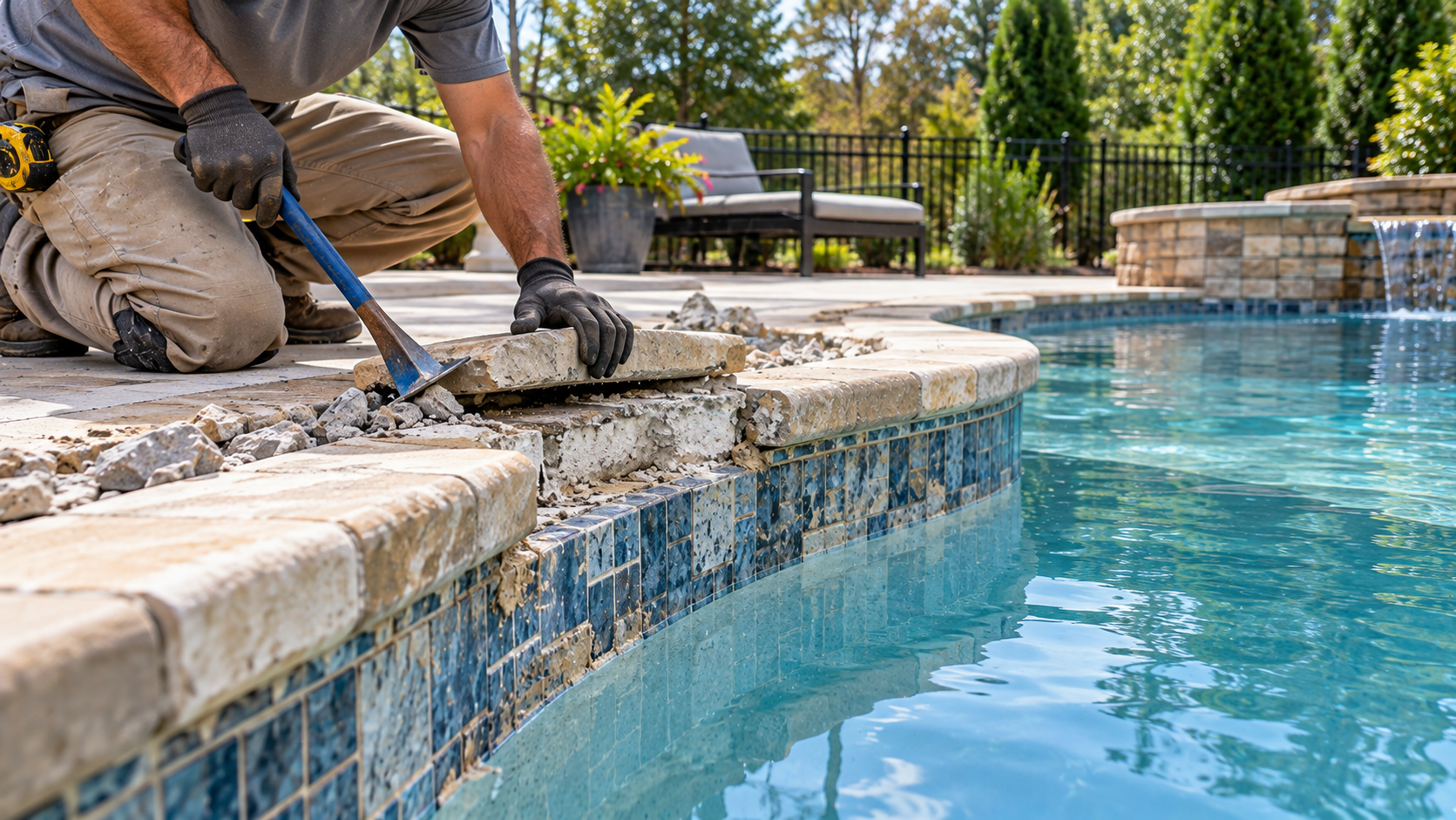
Waterline Tile and Coping Replacement in Metro Atlanta
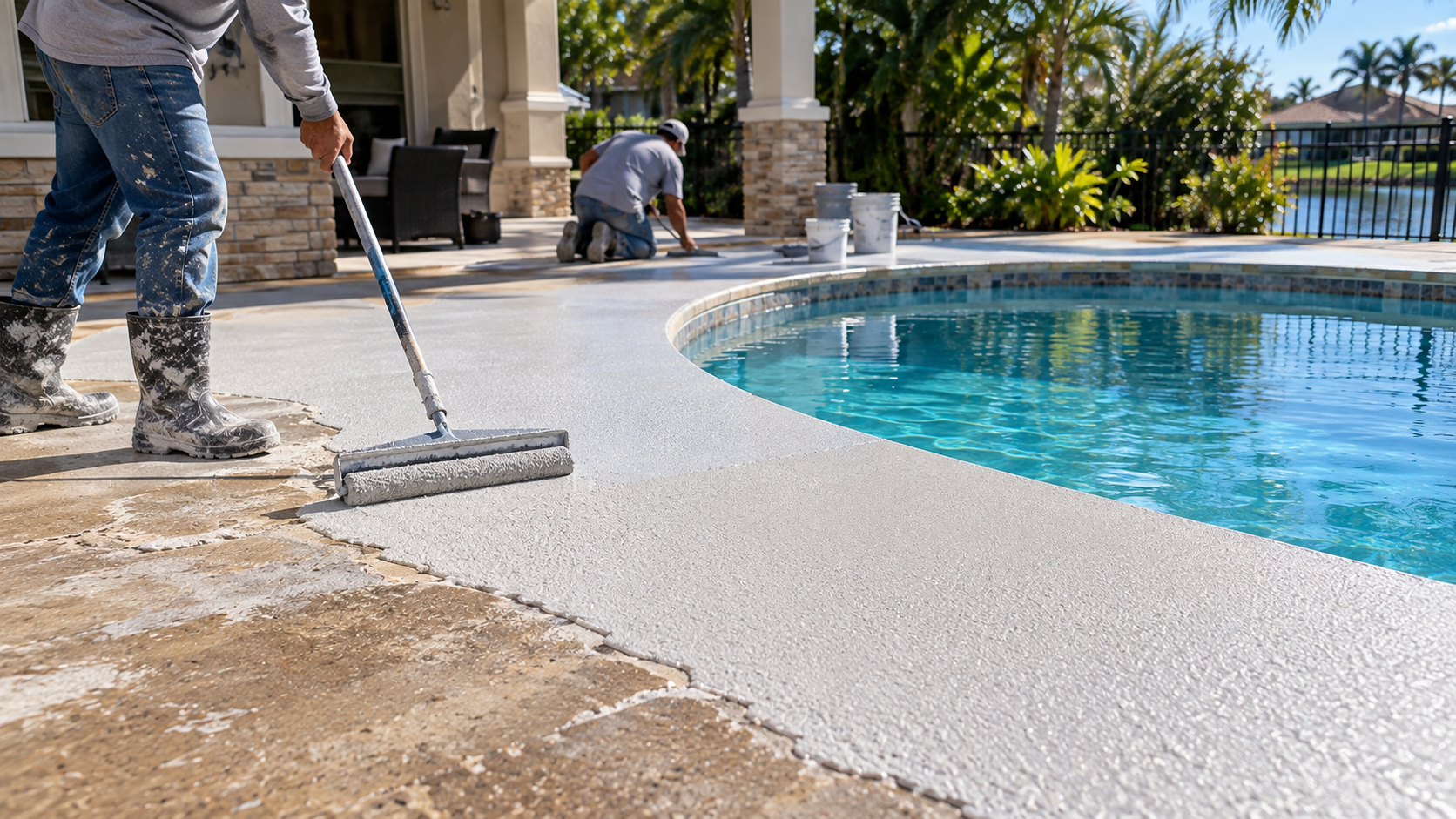
Pool Deck Resurfacing and Leveling: What Atlanta-Area Homeowners Need to Know
Tell us about
your project.
We'd love to hear from you! Reach out with any questions or to discuss your project needs.