Signs, Sequence, and Cost Factors
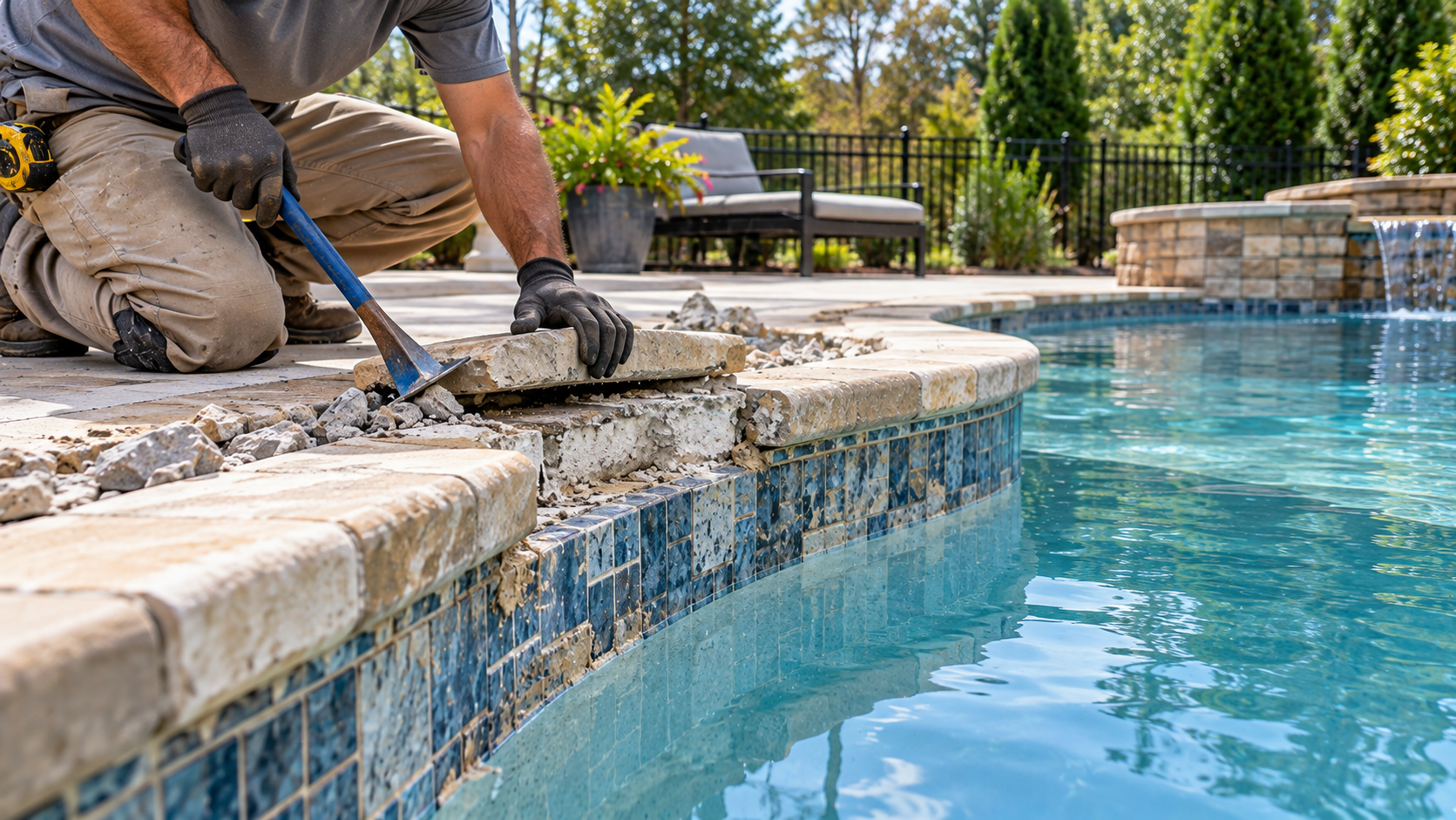
Pool tile and coping replacement in Atlanta usually starts with something small. A tile pops off at the waterline. A coping stone wobbles when someone sits on it. Before long, the edge of the pool looks older than the rest of the backyard.
At All In One Pool Construction, we renovate pools across Metro Atlanta, including Marietta, Alpharetta, and the surrounding suburbs. Tile and coping frame the entire pool, so when they fail, the whole project feels dated. They also protect the structure underneath from water damage.
This guide covers the warning signs, why the order of the work matters, and what shapes the cost of the project.
What Waterline Tile and Coping Actually Do
It's easy to think of tile and coping as decoration. In reality, they do real structural work.
Waterline Tile
The waterline is where the pool surface meets air, sun, and floating debris. Tile holds up to that constant exposure far better than plaster. It also makes scum lines and mineral deposits much easier to clean.
Coping
Coping caps the top edge of the pool wall, called the bond beam. It gives swimmers a safe edge to grip and directs splash water away from the pool structure. Without sound coping, water can seep behind the tile and into the beam below.
Together, they form a seal around the top of your pool. When either one fails, the other usually isn't far behind.
Signs It's Time to Replace Tile and Coping
Georgia weather is tough on the edge of a pool. Hot summers, heavy storms, and winter freezes all work on the materials year after year.
Tile Warning Signs
- Loose, cracked, or missing tiles
- Grout that is crumbling or washing out
- White scale that won't come off with normal cleaning
- Hollow sounds when you tap along the tile line
Coping Warning Signs
- Stones or pavers that rock or shift underfoot
- Cracks running through the coping
- Brick coping with spalling or crumbling mortar
- Sharp edges that weren't there before
The Joint Between Deck and Coping
The flexible joint between the deck and coping is easy to overlook. When that seal fails, rainwater runs straight down behind the pool wall. Over time, that water can loosen tile from behind and stress the bond beam.
Here is a pattern we see often in older Atlanta pools. A homeowner reglues a few loose tiles every spring, but more keep falling off. That usually means water is getting behind the tile, and patching the surface won't stop it.
Why the Order of the Work Matters
Tile, coping, and the pool's interior finish all meet at the top of the wall. Because of that, the sequence of a renovation affects both cost and results.
The Typical Sequence
- Remove the old coping and check the bond beam underneath.
- Repair the bond beam if water has damaged it.
- Install new coping along the pool edge.
- Install new waterline tile below the coping.
- Resurface the interior last, so the new finish meets clean, finished edges.
Why It Pays to Combine Projects
Removing old coping often damages the tile line below it. Likewise, replastering after new tile protects that tile from overspray and cleanup work. Doing these projects together usually costs less than doing them separately a few years apart. It also means draining the pool only once.
If your plaster is still in good shape, tile and coping can be replaced on their own. However, if the interior is nearing the end of its life too, it's worth planning everything together.
Choosing Materials for an Atlanta Pool
Material choices shape both the look and the lifespan of the project.
Coping Options
- Precast concrete offers a clean, consistent edge at a moderate price.
- Natural stone, such as travertine or flagstone, adds texture and stays cooler underfoot.
- Brick suits many traditional Atlanta homes, though mortar joints need care over time.
Tile Options
- Porcelain tile is durable, affordable, and available in many colors.
- Glass tile adds shimmer but typically costs more.
- Stone tile pairs well with natural stone coping for a cohesive look.
Freeze resistance matters here. Metro Atlanta sees regular winter freezes, so materials should be rated for outdoor use in freeze and thaw conditions. We can show samples and help you match tile and coping to your deck and home.
What Affects the Cost
Every pool is different, so we price tile and coping projects after an on site look. These are the factors that move the number most.
- Pool perimeter. Both tile and coping are priced largely by linear footage.
- Material choice. Glass tile and natural stone usually cost more than porcelain and precast concrete.
- Removal difficulty. Old coping set in heavy mortar or concrete takes more labor to remove.
- Bond beam condition. Hidden water damage under the coping adds repair work.
- Combined projects. Bundling tile, coping, and resurfacing often lowers the total compared to separate jobs.
The bond beam is the wild card. You can't fully judge its condition until the old coping comes off. That's why a good contractor explains up front how any hidden repairs would be handled.
Tile and Coping FAQ
How do I know if my pool coping needs replacing?
Loose or rocking stones, cracks, crumbling mortar, and sharp edges are common signs. A failed joint between the deck and coping can also let water reach the structure underneath.
Should I replace tile and coping at the same time?
Often, yes. Removing old coping can damage the tile line below it, so replacing both together usually saves money. It also means the pool only needs to be drained once.
Should tile and coping be done before replastering?
Yes. Coping and tile are typically installed first, then the interior is resurfaced. That order protects the new finish and creates clean edges where materials meet.
What is the best coping material for Atlanta pools?
Precast concrete, natural stone, and brick are all popular. The best choice depends on your style, budget, and how much maintenance you want. Any material should be rated for freeze and thaw conditions.
Which areas does All In One Pool Construction serve?
All In One Pool Construction serves Marietta, Alpharetta, and communities throughout Metro Atlanta. Contact the team to confirm service for your address.
Book a Tile and Coping Consultation
New tile and coping can make an older pool look brand new. More importantly, they protect the structure from water damage that gets expensive over time. Fixing the edge of your pool now helps protect everything below it.
All In One Pool Construction replaces waterline tile and coping for homeowners across Metro Atlanta. Book a consultation today, and we'll inspect your pool's edge and walk you through your options.
Other Blogs
Discover our extensive range of articles on pool construction and related topics
Waterline Tile and Coping Replacement in Metro Atlanta

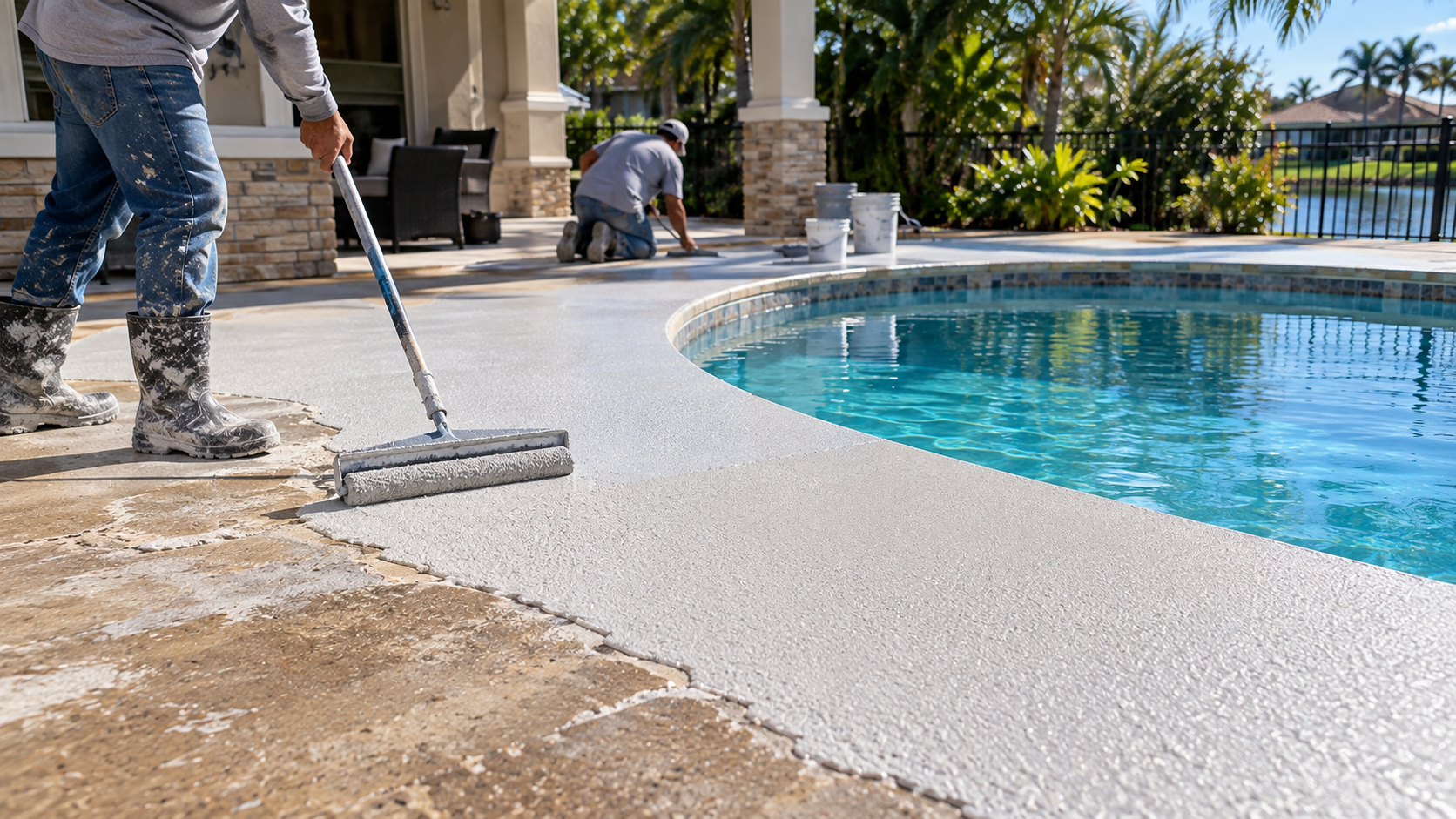
Pool Deck Resurfacing and Leveling: What Atlanta-Area Homeowners Need to Know
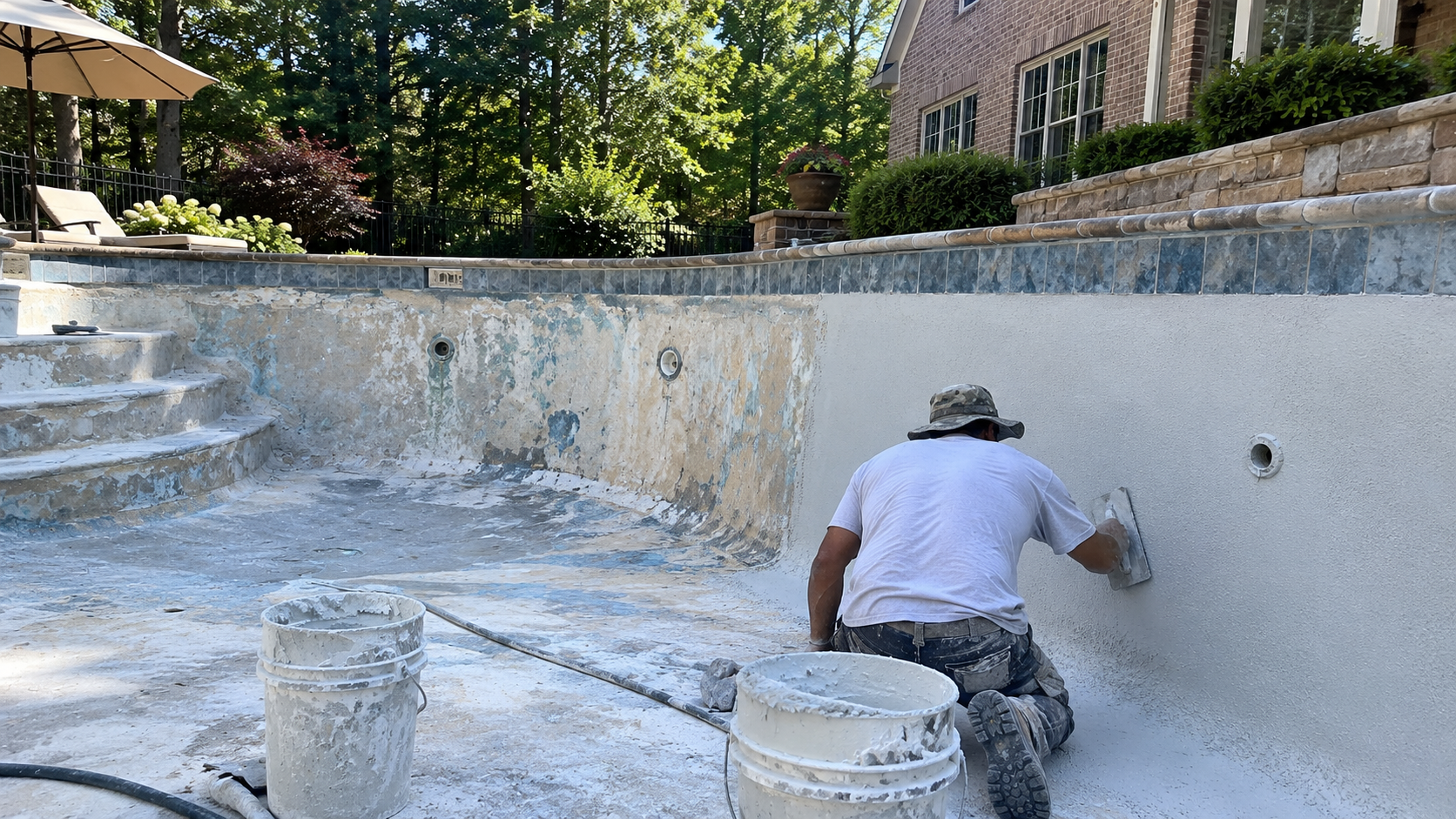
Pool Resurfacing & Replastering in Alpharetta, GA: Signs, Options, and What to Expect
Tell us about
your project.
We'd love to hear from you! Reach out with any questions or to discuss your project needs.